
Museums and art
Rome's statues: what you are looking at
Use a compact route through Roman sculpture, with clear distinctions between outdoor copies, museum originals and church works.
· Independent travel guidance
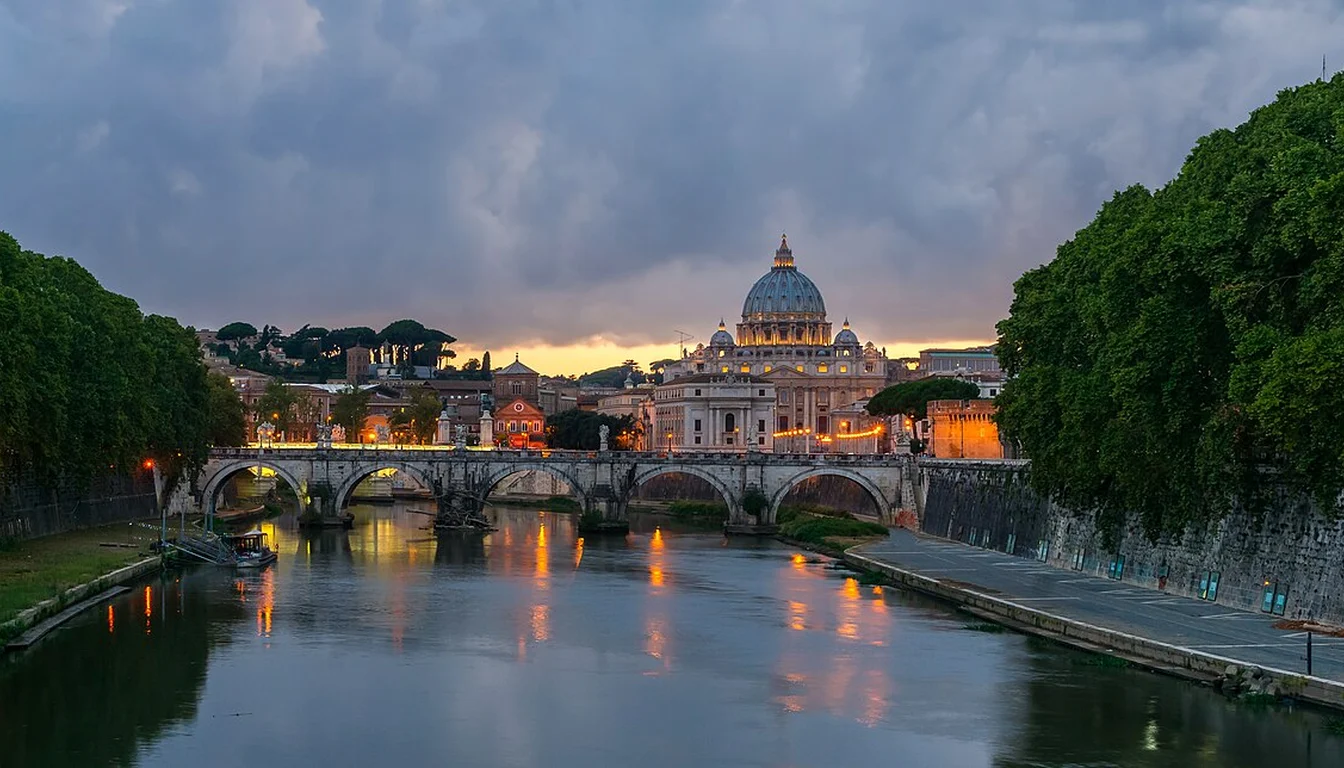
Statues in Rome Italy visitors see are not always ancient originals. Some are outdoor copies, while others were made for the church or square where they stand. Check which version you are looking at. A good statue route can join one public space with one museum, without crossing the whole city to gather names.
Choose a public walk to see how statues fit the city. Choose a museum to look more closely at an original. The Marcus Aurelius on the Campidoglio is a copy; the ancient bronze is inside the Capitoline Museums. Read the label before treating an outdoor work and the museum's object as the same thing.
Statues in Rome Italy: original or copy
A copy can show how a statue fits its setting while the original is kept indoors. The outdoor version still has a role. It can help you read a square, a bridge or the approach to a building.
The Capitoline Museums' object record, checked 15 October 2026, places the ancient Marcus Aurelius bronze in the Capitoline Museums. The square gives one view; the museum gives another. Decide which one you want before you buy entry.
Look for words such as copy or cast, or a note about restoration on the label. They explain what you see. If a photo looks different, that detail may tell you why. An artist's name alone does not settle which version stands in front of you.
Marcus Aurelius on the Campidoglio
Start with the Capitoline Hill guide if the square is new to you. Look at the statue with the buildings around it. Think about the direction it faces and the way you approach. You can do that without entering the museum.
If the bronze itself is the reason you came, give it a real museum visit. Do not treat the building as a quick door to one object. The museum chooser can help you weigh this visit against another place to see ancient art.
An outdoor stop can be enough. Decide that in advance, so the ticket desk does not become another duty. Knowing where the original is should help you choose, not make you feel that you must buy something.
The bridge angels and the river
Ponte Sant'Angelo lets you read statues along a route that people still use. The city's Bernini itinerary gives the wider art context for the bridge angels. Use the source before crediting each figure to one artist without checking.
Look along the sequence, then choose a detail. Notice what a figure holds and how its outline changes as you move. Keep to a safe place to pause. The bridge is a crossing as well as a place to look, so leave room for others.
The Castel Sant'Angelo guide covers the monument beyond the bridge. That is a separate choice. Seeing its outside does not mean you need to add an indoor visit to a short statue walk.
Museum statues in Rome Italy: choose your setting
Massimo offers ancient portraits and other sculpture, set out on the museum's page. You could look at the way faces and dress present a person. A small theme gives you more to discuss than a list of names.
Altemps offers statues within palace rooms. Our National Roman Museum guide compares the two sites. Pick the one that interests you. You do not need both to make a useful art day.
Check current displays if one work matters most. A museum can own a statue while it is on loan or being cared for. A record of ownership is not a promise that the object will be on view. Keep another interest in the same museum as a fallback.
Make the route work for the people with you
Choose one main stop and one optional extra. The second should add a new idea, not just another journey. A horse statue and a bridge figure offer different things to look at. Two distant sites with no clear link may offer less.
For children or someone new to sculpture, start with one visible detail. Ask them to look at a hand, a face or the way a figure stands. You do not need a long talk before anyone can enjoy the work. Use the label for facts and your own eyes for what you can see.
FAQ
Is the Marcus Aurelius in the square the original?
No. The ancient bronze is inside the Capitoline Museums. The outdoor copy helps preserve the statue's place in the square. Both can be worth seeing, but they are not the same object. Choose an outdoor stop for the setting or a museum visit for a closer look at the original.
Can I plan a statue walk without museum tickets?
Yes. Public squares and bridges, with fountains along the way can give you a clear theme for a walk. Choose a small area and check current access. Be clear when an outdoor work is a copy. A public route should not claim to include museum originals or church areas you have not checked for visitor access.
Should I choose Massimo or Altemps?
Choose by the setting and works you want. Massimo offers ancient portraits alongside other Roman art; Altemps places statues in a palace and explains the history of collecting. Check the current display before you buy. Both can be good choices, but a short trip does not require you to visit them both.
How can I check if a statue is on view?
Read the museum's current notices and the object's museum record. If one work is essential, seek a clear current display note before booking. A past photo or exhibition is not enough. Keep another theme within the same museum, so the visit still has value if access to one object changes.
Verdict: read statues in Rome Italy as objects in places
For statues in Rome in Italy's streets and museums, check the version and its setting. A public setting and one museum can make a full day. Choose a short route with time to look, rather than a long list of names to collect.