
Rome neighborhoods
EUR Neighborhood in Rome: A Practical Visit in 2026
Plan an EUR neighborhood visit for modern architecture, museum time and a lakeside walk.
· Independent travel guidance
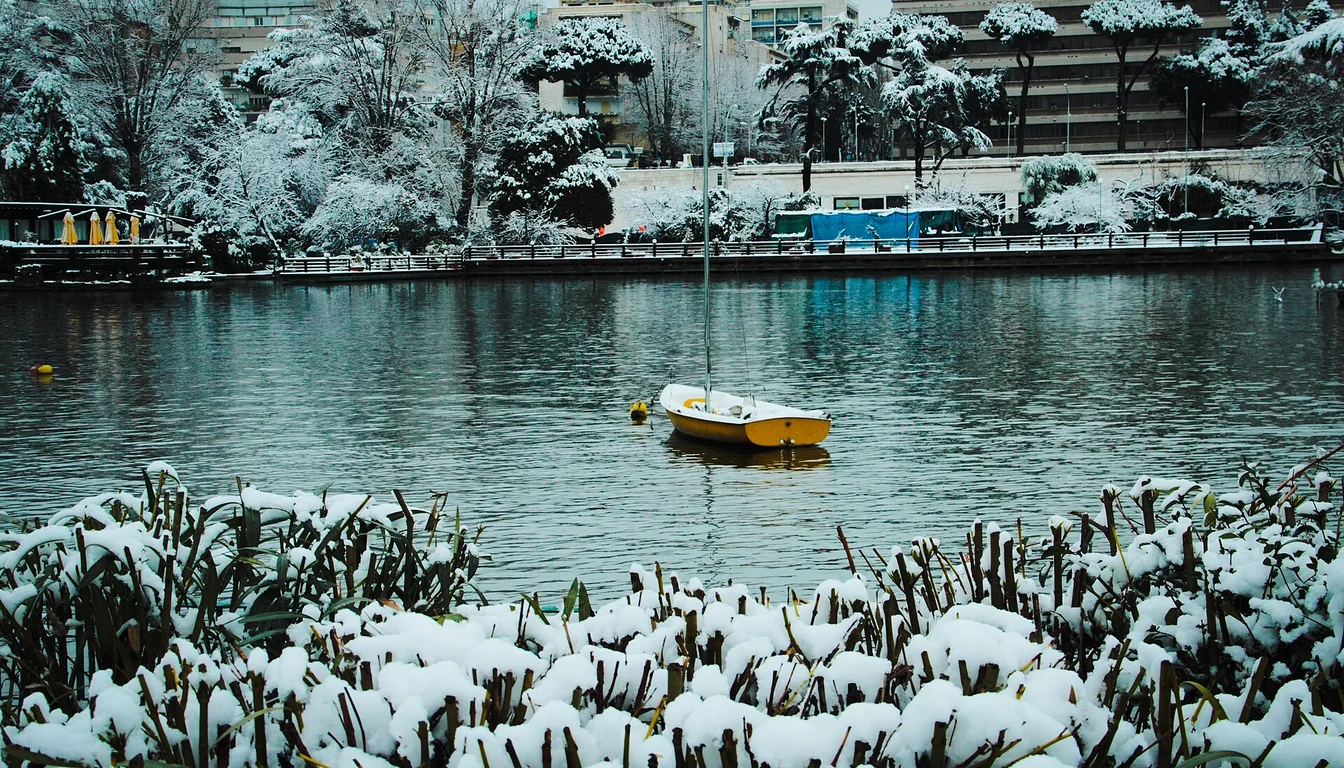
EUR neighborhood Rome visits work best when you choose an interest first. The district’s large modern buildings and green spaces offer a clear change from the old center. They also sit farther apart than a compact set of historic lanes. Plan one architecture stop, one optional museum and a return route before setting off.
Choose EUR for twentieth-century architecture, a museum or a lakeside walk. Start with one main goal and keep the other stops optional. The Square Colosseum is a modern building with event-based public indoor access, not an ancient attraction. Allow for wide roads and the journey from the center. A compact district loop usually works better than trying to visit every landmark.
Understand EUR neighborhood Rome visitors see
EUR was planned for the 1942 world fair, which did not happen because of the Second World War. Its monumental forms and wide spaces reflect that modern planning project and its political setting. It is not an ancient extension of the Colosseum area. EUR district guide, checked 14 October 2026.
The district has continued to change. Museums, offices, homes and green space share the area today. That gives you more than an architecture photograph, but it does not make every notable building a visitor attraction with daily entry.
Use EUR as a specific choice. It suits a repeat visitor or someone interested in modern urban form. If your main priority is a first visit to the ancient city, give that its own day rather than treating the “Square Colosseum” nickname as a substitute.
Pick your main district stop
For an architecture visit, make the Square Colosseum your main exterior goal. Look at the repeated arches from a public viewpoint and keep the history in view. If you want to go inside, confirm a current event or exhibition first. Building access information.
For a museum visit, start with the current collection and opening details. Choose the particular museum that fits your interests. A broad district label does not tell you which galleries or buildings a ticket covers.
- Choose architecture for an outdoor view with modern-history context.
- Choose a museum for a focused indoor visit.
- Choose the lake for a gentler outdoor pause.
You can combine two of those choices without making the day busy. Three can work if you give them enough time, but do not make all three fixed obligations before you have checked the distances.
Build a route around EUR neighborhood Rome
Save your main final stop, the place you plan to arrive and the place you will leave. A district-wide map pin is not enough for a useful walking route. Compare the final approach from your transport stop before choosing it.
Wide roads can make a short line on the map less direct on foot. Use marked crossings and follow the public route. A diagonal shortcut across a landscaped area may not be open or suitable for your needs.
Allow about half a day for travel, a chosen main stop and a lake or architecture pairing. This is a planning allowance. A museum’s depth and your walking pace can make the visit longer. If you only have a short gap, pick the exterior goal and leave the rest for another day.
Use the lake as a pause
The lake and green setting offer a softer part of an EUR visit. They can make the district appealing even if architecture is not everyone’s main interest. The city guide also describes garden areas and seasonal cherry blossom, but a seasonal photograph is not a year-round promise.
Let the walk be short if the day is hot. A pleasant lakeside pause can be enough after a museum. Do not choose the farthest loop simply because it looks neat on a map.
If your party wants different things, agree on a meeting place and time before splitting. An outdoor wait needs shade, a seat and a clear return route. Avoid leaving one person in an exposed spot while another makes a long indoor visit.
Check weather and access
The district has open stretches where heat, rain or wind can shape the walk. Carry water and choose a route with a realistic rest. A late-day visit should also fit the museum’s closing time if you want to go in.
For a mobility need, check the actual last leg. A metro or bus journey may suit you while a building’s steps or wide-road crossing does not. Ask about the exact museum entrance and route rather than relying on a district-level description.
- Check the chosen entrance before travelling.
- Keep a shorter outdoor route for poor weather.
- Recheck the return service before staying for late light.
Avoid the wrong kind of booking
A product for the ancient Colosseum does not cover the Square Colosseum. An EUR museum ticket does not grant entry to private offices or special events. Read the attraction name before paying.
- Do not confuse EUR with the ancient Forum route.
- Do not assume daily public entry to every landmark.
- Do not build the whole day around spring flowers outside their season.
FAQ
Is EUR worth a first Rome visit?
It can be worthwhile when modern architecture or the district’s museums interest you. For a short first Rome trip, choose your main priorities before adding the journey. A deliberate architecture or lake visit gives EUR a clearer purpose than treating it as another famous name to collect between central attractions.
Is the Square Colosseum ancient?
No. The Square Colosseum is a modern landmark from the district’s planned world fair period, despite its repeated arches and familiar visitor nickname. It is separate from the ancient amphitheater. Plan an EUR exterior visit or a currently confirmed event, and check the attraction name before buying any ticket.
Can I enter every large building?
No. Many large buildings have working uses, so a striking exterior does not establish public entry. Confirm the museum visit or the specific exhibition or event you want. If no suitable opening is confirmed, build the route around exterior architecture and the lake instead of making an assumed interior the main goal.
How long should I allow?
About half a day is a loose allowance for travel, one main visit and an outdoor pairing. A quick exterior look can be shorter, while a museum may need more time. Include the walk from transport and the return. Choose the main stop first rather than filling the district with optional detours.
Is the district easy to walk?
Plan a compact route rather than judging the district by a map alone. Large plots and wide roads can make walking less direct than in the old center. Check crossings and the final approach to your chosen stop. A shorter lake pause or exterior loop can suit the group better than every landmark.
Plan the next part of your visit
Verdict
EUR neighborhood Rome visits reward a clear focus. Choose architecture, a museum or the lake, then give the walk and travel room to fit. The district offers a different city experience when you treat its modern history and working spaces with care.