
Churches and heritage
Churches in Rome: art, worship and a workable route
Choose a Rome church by its art, setting and access, then fit it into a compact route that respects worship and closures.
· Independent travel guidance
Open the guide sections11
- Choose churches in Rome by the visit you want
- San Luigi dei Francesi for a focused art stop
- Santa Maria del Popolo for art in context
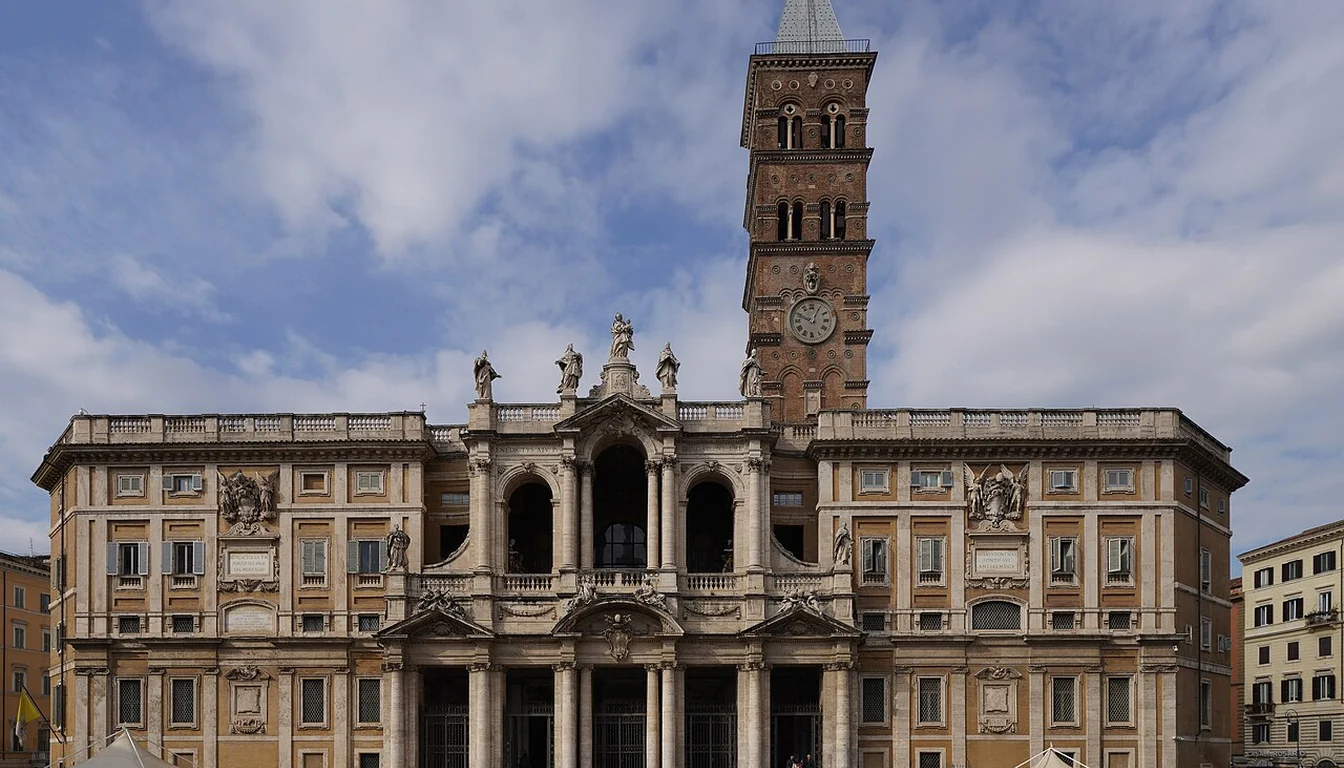
- Santa Maria Maggiore for a major basilica visit
- Saint John Lateran and the Holy Stairs
- Santa Maria in Trastevere for a neighborhood day
- Give St Peter's its own access plan
- Check churches in Rome for access and dress, plus services
- Choose a church route with a clear finish
- FAQ
- Verdict: choose churches in Rome by purpose and place
Choose the details for your visit
The four major basilicas of Rome
Understand the four papal basilicas, their different settings and the journeys between them before planning a pilgrimage day.
The Holy Stairs and Sancta Sanctorum
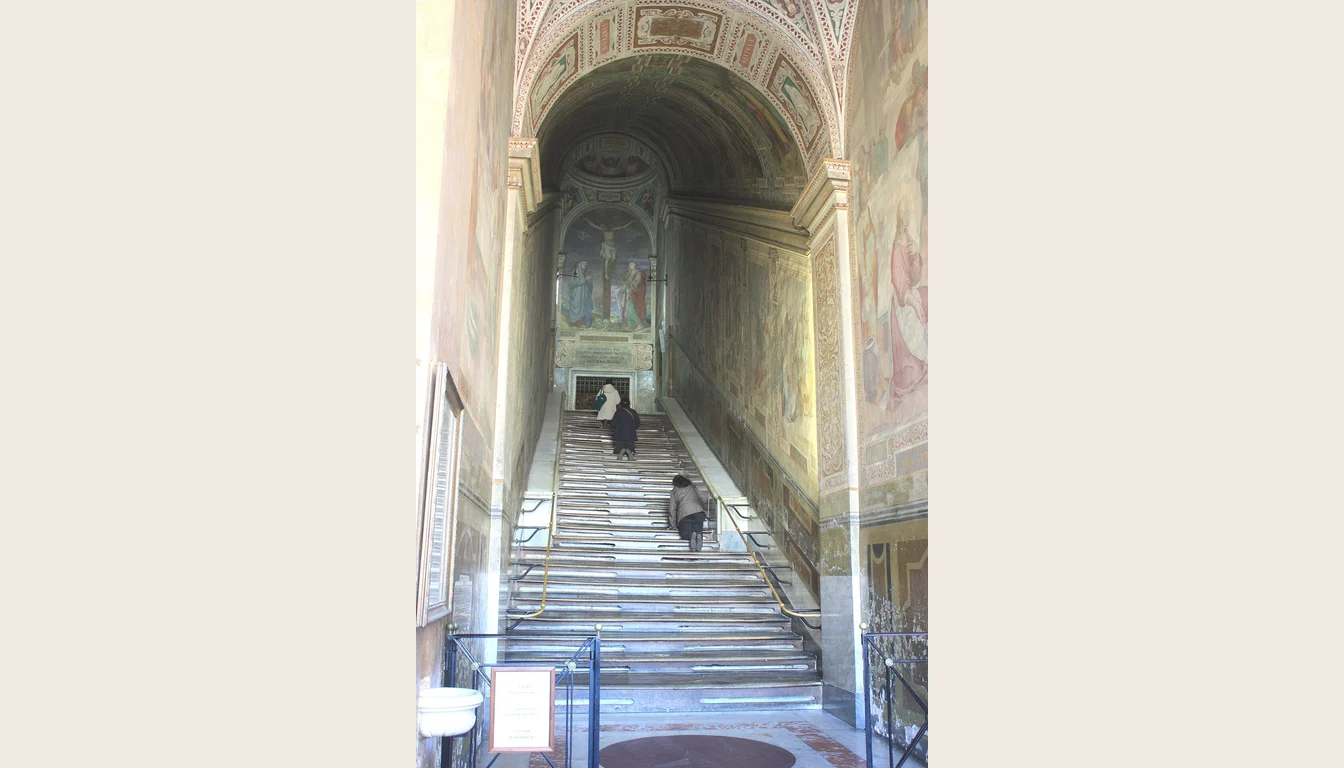
Plan a respectful visit to the Scala Santa near Saint John Lateran and distinguish the Holy Stairs from chapel admission.
Churches in Rome offer very different visits: a chapel of paintings, a mosaic-filled basilica, a neighborhood inside or a major pilgrimage site. Choose by what you want to see and how you plan to use the day. Then check access to that exact place. A church open for prayer is not always open for free sightseeing.
Choose San Luigi dei Francesi for a focused Caravaggio stop, Santa Maria del Popolo for an art-led visit, Santa Maria Maggiore for a major basilica, or Santa Maria in Trastevere for a neighborhood church setting. Give St Peter's a separate access plan. Group nearby places and leave room for worship rather than trying every major church in one day.
Choose churches in Rome by the visit you want
Start with the thing that would make the visit worthwhile. A exact painting calls for a different plan from time for prayer. A major basilica needs more care to entry and the journey there than a flexible stop on a neighborhood walk.
Use these choices as a shortlist:
- One painting group: San Luigi dei Francesi, with a current church-access check.
- Art and a square: Santa Maria del Popolo and the nearby area.
- A major basilica route: choose from the four papal basilicas, with transport between areas.
- A neighborhood setting: Santa Maria in Trastevere as part of a small lane walk.
- A exact prayer site: the Holy Stairs, with its own behavior and access rules.
- A large Vatican visit: St Peter's, with the church and dome, plus necropolis kept separate.
The shortlist is a visitor choice, not a ranking of importance to the Church. Pick the one that fits your aim. Two carefully chosen stops can explain more than some rushed inside spaces.
San Luigi dei Francesi for a focused art stop
The municipal San Luigi profile, checked 15 October 2026, names the three Caravaggio paintings in the Contarelli Chapel. That makes the church a clear choice for someone who wants to look closely at a related group of works.
Read a short account before arriving. Then spend the visit looking at the paintings together. Notice where the light falls and how a gesture draws your eye. The chapel setting matters: the works are not isolated rectangles hanging in a neutral room.
Keep the church visit in a flexible part of the day. A service or changed marked route can affect your access. If the chapel is closed, let the nearby historic-center walk carry the time rather than interrupting worship. Our art route guide helps you choose another stop that fits the same theme.
Santa Maria del Popolo for art in context
The city's Caravaggio itinerary includes Santa Maria del Popolo and the Cerasi Chapel paintings. It is another focused art choice. But not a reason to hurry between every church linked with the artist.
Choose this stop when the nearby area already belongs in your day. A place can be worth visiting without being the right addition to today's route. Check access before relying on one chapel or artwork, and check a current visitor notice rather than an older description.
Give the architecture a little care as well. Look at the link between the chapel and the larger interior. If you prefer a controlled museum visit with more time around objects, compare the museum options rather than treating a church as the same kind of gallery.
Santa Maria Maggiore for a major basilica visit
Santa Maria Maggiore is one of the four major basilicas. It is a bigger choice from a short stop at a painting chapel. Allow time for the building and its Church role. Then decide if any separate visitor area is part of your plan.
Use the basilica's own site for current details, and check the exact area you want to enter. The main church, a museum or a guided route may use different rules. A page describing the complex does not promise that every part is open together.
If your interest is mosaics, choose a few details to look for and read the church's notes about them. Avoid trying to extract a complete history from a hurried circuit. The best visit is one whose pace lets you understand the work rather than simply recognize the name.
Saint John Lateran and the Holy Stairs
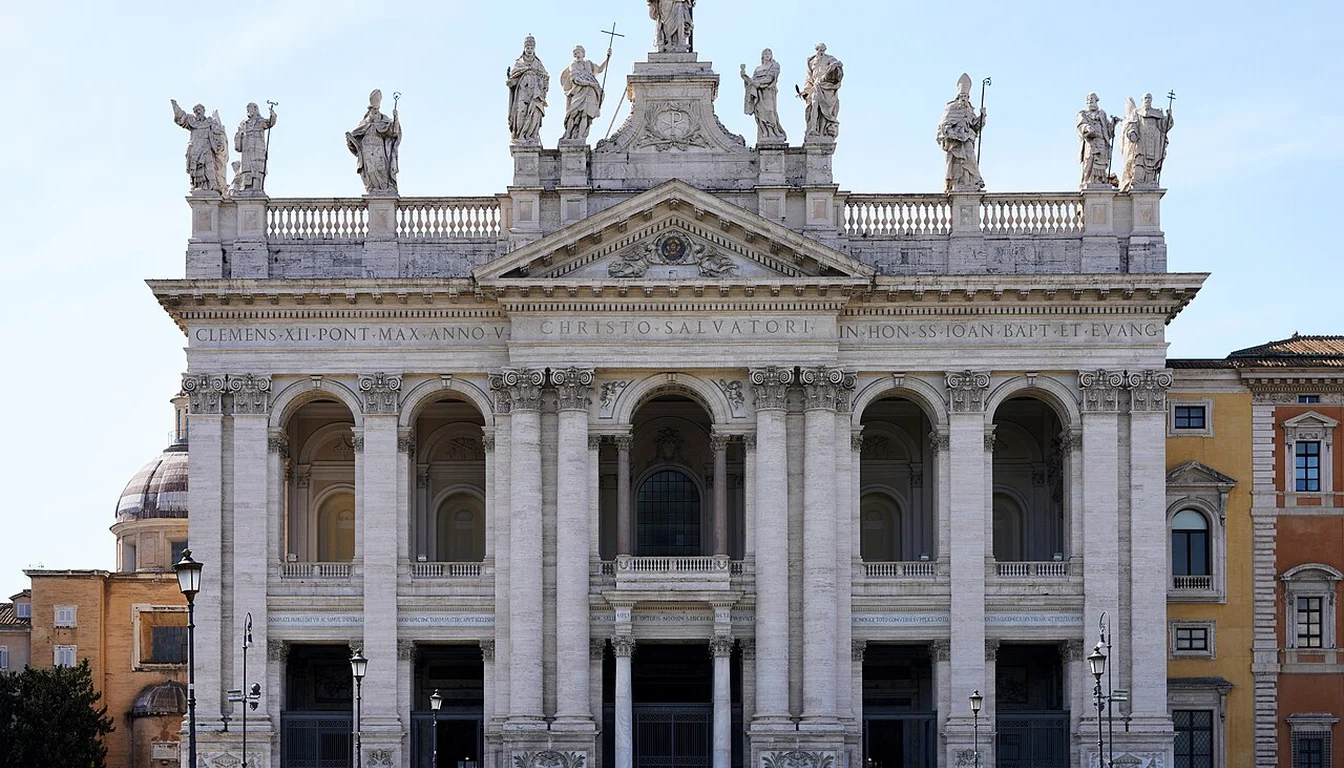
The Lateran square profile brings together the cathedral, baptistery and obelisk, plus Holy Stairs. They form a strong area-based visit. But remain different places with their own access rules.
The municipal Borromini route explains the church's interior changes and its role as Rome's cathedral. St Peter's is better known to many visitors. That does not make it Rome's cathedral.
Read the Holy Stairs guide before deciding to climb. The sanctuary gives exact instructions for the prayer stairs and a separate side route on foot. It also treats the chapel visit as separate. Do not assume that a broad church walk changes those rules.
Santa Maria in Trastevere for a neighborhood day
Choose Santa Maria in Trastevere when you want a church visit within a smaller area of lanes and squares. Its setting can make it a natural part of a neighborhood walk, without turning it into a required stop after a long journey across the city.
Our Santa Maria guide covers the church as part of the existing Trastevere section. The walking route helps you order nearby stops. Use the square as a pause. Then enter only when the church's latest entry rules permit.
A neighborhood visit works well when it has a clear finish. Decide whether the church comes before a meal, a river crossing or your return journey. That keeps the area from becoming an open-ended detour after you have already used most of the day's energy.
Give St Peter's its own access plan
St Peter's Basilica is one of the major basilicas. But its visitor choices deserve their own planning. Normal church entry, a reserved time-slot service, a dome climb and the limited necropolis are different visits. The Vatican Museums are another separate choice.
Check the current basilica visitor information before paying for a product. Check which service it provides and what remains outside it. A guide can add context without changing the need to follow security and worship rules.
Do not add the Vatican to a Lateran walk merely because both are major religious sites. The journey matters. If the four basilicas are your aim, use the special basilica comparison and divide the visits into sensible geographic groups.
Check churches in Rome for access and dress, plus services
Use the current source for each church rather than applying one remembered rule to every site. Main church access and next-door paid areas can differ. A sanctuary may also use an afternoon closure or an earlier last entry than the broad closing time.
Dress in a way that meets the stated rules before you arrive. Carry clothes that meet the rules if the church stop comes during a wider walking day. The point is to be ready for the visit, rather than relying on an improvised solution at the entrance.
Once inside, let the service or prayer setting set your behavior. Keep voices low, follow the marked route and put the camera away wherever photography is prohibited. Consent at one church is not consent at the next.
For mobility needs, ask about the exact area rather than the site name alone. A level main entrance does not prove access to a crypt, chapel stair or other separate space. A useful plan names which parts meet your needs and gives you another choice for the rest.
Choose a church route with a clear finish
For an art-led half-day, select a small historic-center group and leave any church with uncertain access as optional. For the Lateran area, make the cathedral and one next-door site the main purpose. For Trastevere, stay within the neighborhood rather than using it as a stepping stone to a distant basilica.
Keep one non-church pause in the route. It gives you room for a closure, a service or simply more time at a place you like. Avoid booking some rigid entries around stops whose access you cannot control.
For a wider sightseeing day, use the landmark route comparison. It joins a church with nearby ancient sites and outside views. A good route follows the time and care you have, not just the line between well-known places.
FAQ
Which church is best for a short first visit?
Choose one near the rest of your day and give it a clear aim. A focused painting chapel or neighborhood basilica may work better than a distant major site. Check current access before setting out. The best short visit leaves time to look and respect worship, rather than merely reaching the door.
Are all church interiors free to enter?
Do not apply one entry rule to every place or every part of a complex. Main church access, chapels, museums and crypts, plus guided routes may differ. Use the site's latest details for the exact area you want. A free church entrance does not prove free entry to all next-door visitor spaces.
Is St Peter's the cathedral of Rome?
Rome's cathedral is Saint John Lateran. St Peter's is a major papal basilica with a different setting and entry system. That difference helps explain why both can matter in a pilgrimage plan. It does not mean that they are close together or that one ticket provides entry to every visit at both sites.
Can I see the four major basilicas in one day?
You can plan a day around them. But it needs more than a whole central stroll. Check current access and the journeys between areas. Decide how much time you want for prayer or looking inside. Splitting the visits into geographic groups often gives each place more room and reduces the pressure to rush.
Verdict: choose churches in Rome by purpose and place
Give churches in Rome a clear aim and a place in your day. Pick the art, prayer site or basilica that matters most. Then build a short route around it.
Use current access rules and leave room for worship. A short route with a clear finish is easier to enjoy. Each church can then be its own visit.