
Rome highlights and walks
Rome landmarks: choose a route you can enjoy
Compare Rome's major landmarks by setting, ticket needs and travel effort, with compact routes and honest limits for a first visit.
· Independent travel guidance
Open the guide sections12
- Choose landmarks in Rome by the access they need
- Colosseum: exterior, normal visit or special access
- Roman Forum and Palatine: give the ground time
- Pantheon: decide whether the interior is the point
- St Peter's: protect a separate Vatican block
- Campidoglio: square and statue, plus museum choice
- Spanish Steps: choose a public-space stop
- Castel Sant'Angelo: bridge view or monument visit
- Build a route between landmarks in Rome
- Tickets and weather, plus a plan you can shorten
- FAQ
- Verdict: let landmarks in Rome shape a coherent day
Landmarks in Rome are easier to enjoy when you separate a view from a visit. The Colosseum outside, a Forum route, a church interior and a public square ask for amounts of time and planning. Choose one main entry. Then connect nearby places around it. This guide compares the practical choices behind the well-known names.
Choose a booked ancient-site visit for a deep look at Rome's archaeology, a church for art and worship, or a compact square-and-street route when time is short. Keep the Vatican as a separate planning block. Decide which inside spaces matter before you buy, and leave at least one nearby outdoor stop as a flexible stop rather than fixing every part of the day.
Choose landmarks in Rome by the access they need
Start by sorting your shortlist into three groups. A public space can fit around another visit. A ticketed visit needs the right entry and usable time. A working church site also needs you to respect worship and any change to visitor access.
That difference is more useful than a list ranked by fame. You might value the Colosseum most but still choose its outside on a brief return visit. You might reach the Pantheon area for a street walk. Then decide that the inside deserves a separate time slot. Neither choice is incomplete if it fits the day you have.
For each place, write one sentence that begins with what you want to see. “Understand the arena and its access options” is a clearer task than “do the Colosseum.” “Look at the Pantheon's inside space” is different from “walk past the portico.” The clearer task tells you whether a ticket or guide changes the result.
Use the choices below to choose. Then open the detailed visitor guide for the entry you select. Current prices and available places belong with the actual date and product. This page does not promise a single pass that covers every place mentioned.
Colosseum: exterior, normal visit or special access
Choose the Colosseum when the amphitheatre itself is a priority. An outside look helps you understand its size in the nearby city. A visit inside gives you another perspective, while arena and underground, plus upper-level products need precise inclusion checks.
The ancient park's Colosseum description is a primary source for the monument. Our ticket chooser turns the access differences into a visitor decision. Read the exact ticket name before assuming that a photo of the arena or underground shows what your product includes.
If help from a guide matters more to you than moving at your own pace, compare the guided visits. If an exact space is key, put its access first in the choice. A longer city tour is not necessarily a better fit than a focused visit with the right entry.
Keep the booked arrival as the fixed point. Public outside stops can move around it. Do not place a fixed booking straight after a long visit. Check the exit and the next journey first. Leave enough time to reach the next stop.
Roman Forum and Palatine: give the ground time
The Forum and Palatine are not just the view beside an amphitheatre. A visit involves moving through an ancient landscape and deciding which parts to study. Plan for the terrain and your own walking tolerance before treating the combined ticket as a reason to enter everything.
Use the Forum and Palatine access guide to check the link between the areas in your selected product. The Palatine guide helps if the hill itself is your main interest. Separate ticket valid dates from the order in which you want to visit.
Choose a few points you want to understand. A guide can help read remains whose purpose is not obvious, while a route of your own gives you more control over pauses. Neither works well if the only aim is to walk the maximum amount of ground before moving to another part of the city.
If you mainly want a broad outside view, decide that openly and leave the deeper visit for another day. A viewpoint does not replace an ancient-site route. But it may be the right choice for a party whose time or mobility makes the full site unsuitable.
Pantheon: decide whether the interior is the point
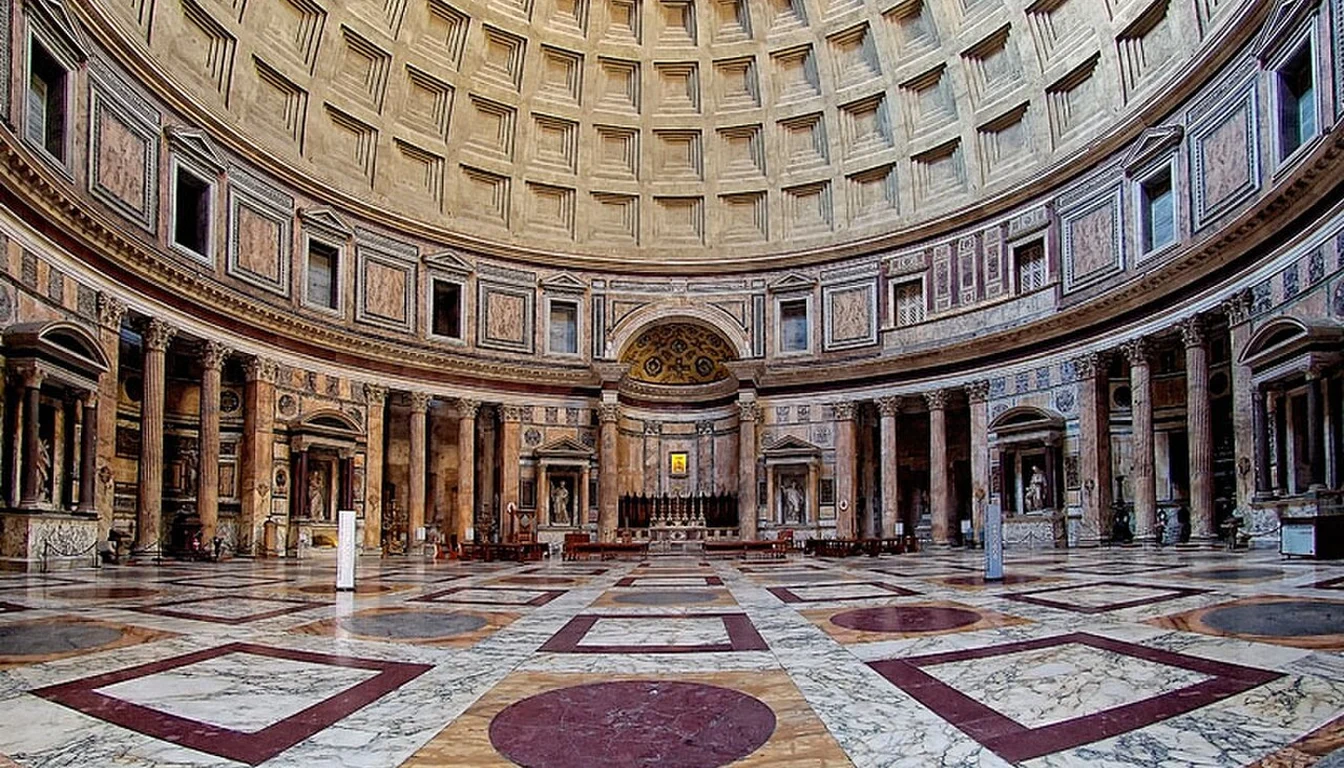
The Pantheon combines an ancient structure with its later role as a church. The municipal profile, checked 15 October 2026, provides the historical starting point. Choose whether you want the inside space or simply an outside stop in the nearby square.
If the inside is key, verify the current entry route and visitor terms before travel. Do not apply a remembered church-entry rule to this exact building. Religious use and sightseeing rules need to be read together.
For an outside visit, give yourself time to look at the portico and the link between the building and Piazza della Rotonda. It can form part of a compact historic-center walk, rather than another isolated destination reached from across the city.
A nearby church-art stop can add a different kind of indoor visit. Our art in Rome guide explains the choice between a working church chapel and a museum visit. Choose it because the art interests you, not simply to replace a ticket that was unavailable elsewhere.
St Peter's: protect a separate Vatican block
St Peter's Basilica sits within a larger set of Vatican visitor choices. The church, dome, Grottoes, limited necropolis and Museums do not use one entry ticket. The basilica guide is the starting point for separating them.
The current basilica information separates free normal church entry from optional paid visitor services. Decide what you want before comparing products. A time-slot service or guide adds a clear service. Its price should not be mistaken for proof that all normal church entry needs payment.
Give the square its own value as an outside visit. The St Peter's Square guide helps you orient yourself before joining a line. It is also a useful fallback if the church route no longer fits the day's access or your energy.
Do not place the Vatican between two distant central-city bookings merely because the names all appear on a first-visit list. The journey and entry checks need room. A separate Vatican block makes it easier to respond to a service, queue or changed marked route without losing the rest of the day.
Campidoglio: square and statue, plus museum choice
The Capitoline Hill offers a useful difference between public setting and paid display. You can read the square's layout outside. Then decide if the museum adds the objects you want to see. The Capitoline guide covers the setting as a visitor stop.
The Capitoline collection record names the ancient Marcus Aurelius bronze inside the museum. The outdoor copy belongs to the square's design. Do not confuse seeing that copy with visiting the original.
Choose the statue guide if that original-versus-copy question interests you. Choose the museum comparison if you are deciding between a full museum visit here and another museum. A museum forecourt is not a reason to buy entry when your real interest is the view outside.
This stop can complement an ancient-Rome day without adding another large site. Keep it flexible if the Colosseum or Forum already provides the day's main entry. If the works are your priority, reverse that logic and make the outside ancient view the optional part.
Spanish Steps: choose a public-space stop
The Spanish Steps belong to the link between Piazza di Spagna and the church above. Use the dedicated visitor guide for the current practical details. A visit here is different from a timed museum route: the space is used by many people, not just those following a sightseeing list.
Decide whether you want the view from below, the ascent or a wider neighborhood walk. A short look may be enough when the rest of the day already contains some demanding entries. You do not need to climb simply because you have arrived at the base.
Keep public movement in mind and follow current rules. A photo does not prove where you may sit, stop or arrange a group. Choose a safe place to pause. Then let the next part of the walk follow the direction you really want to travel.
The steps can also pair with a separate park or art plan. Check the actual route and climb rather than assuming that two nearby labels on a map share the same level. For a longer green-space break, compare the parks guide before choosing the gate.
Castel Sant'Angelo: bridge view or monument visit
The bridge and castle make a strong outside pairing. You can look at the riverside setting and statues without always entering the monument. If the inside is your goal, the Castel Sant'Angelo guide supplies the separate planning decision.
The municipal Bernini itinerary gives context for the bridge angels. Read the sequence while keeping space for people crossing. Public paths need to remain usable even if the view makes you want to stop.
Choose this area when a river walk belongs in your day, or when you want a different historical setting after ancient Rome. Do not add it as a required extra to every Vatican visit. Time spent crossing the city could be time spent understanding the church or having a needed rest.
An outdoor view can be the main experience rather than a compromise. Be clear about what you came to see and which entry you have chosen to leave for another visit. That prevents the day from expanding with every ticket desk you pass.
Build a route between landmarks in Rome
Try one of these planning shapes. Then check your actual starting point and transport:
- Ancient-site day: one Colosseum or Forum access plan, with the Campidoglio as a flexible outside or display choice.
- Historic-center walk: Pantheon area, a focused church-art stop and the Fountain of the Four Rivers, with any paid visit chosen in advance.
- Vatican day: St Peter's chosen visit, square orientation and an optional nearby walk rather than a distant fixed booking.
- Public-space day: Spanish Steps, a selected park approach and time for the journey back, without required museum entry.
These are suggested groupings, not measured walking itineraries. Check distances and steps, plus current services against your party's needs. A route should work from where you begin, not merely look tidy as a line between well-known names.
Use the Fountain of the Four Rivers guide for the Piazza Navona stop, or the neighborhood chooser if you prefer a wider street walk. Each addition should improve the day's purpose rather than just increase the count.
Tickets and weather, plus a plan you can shorten
Fix the one entry you care about most. Then leave another part of the day flexible. A ticket is a commitment to a date and service. It should not force you to ignore fatigue or a changed access rule. Read the actual cancellation and arrival terms before you buy.
For an outdoor-heavy route, think about weather as part of the choice. Shade and rain, plus the amount of standing matter as much as distance. An indoor option can help. But only if its entry rules remain sound. “Visit a museum instead” is not a complete fallback when it needs a booking you do not hold.
Agree in advance which stop you will drop if the day runs long. Choose that on purpose, without treating it as a failure. A shorter route with a clear finish is more useful than a list that leaves everyone too tired for the final journey.
FAQ
Which landmarks should I prioritize on a first visit?
Choose one major indoor visit or ancient-site visit and a small group of nearby outside views. The right choice follows your interests: ancient sites, church art or public spaces lead to different days. Do not let a ranked list decide every hour. Check the access needed for the one place you would most regret missing.
Can I see central Rome and the Vatican in one day?
You can choose a limited combination. But avoid assuming that every major indoor visit will fit. Vatican entry choices and travel, plus security need their own time. Keep one part as a flexible outside walk and protect any fixed booking. A compact, selective day is more realistic than a promise to enter everything.
Is an exterior visit worth doing without a ticket?
Yes, when the architecture or public setting is what you want to understand. The Colosseum, Campidoglio and bridges, plus squares can all support an outside-focused choice. Be clear about what that choice excludes. A view from outside should not be set out as the same experience as entering the ancient site or display.
Should I buy a city pass before choosing sights?
Choose the actual places and visits first. Then compare the pass's current inclusions, booking needs and valid dates with that plan. A long list of included names is not proof of value for your day. Keep transport, special access and optional guided services separate unless the terms explicitly include them.
Verdict: let landmarks in Rome shape a coherent day
Let landmarks in Rome shape a day with one main entry and room to pause. Choose the entry that matters, separate it from an outside look and connect nearby places around that decision. Keep the Vatican and major ancient routes honest about time and access. A good sightseeing day has room to look, a useful next step and a finish you can reach at ease.