
Rome highlights and walks
What Is the Palatine in Rome? A Visitor’s Guide for 2026
Understand the Palatine Hill and plan its ruins, views and combined Roman Forum visit.
· Independent travel guidance
Open the guide sections18
- Explain what is the Palatine in Rome
- Separate the Palatine from the Colosseum
- Choose the access you actually want
- Plan the hill before choosing the order
- Understand what is the Palatine in Rome through its scale
- Give the visit a realistic time block
- Use gardens and views as pauses
- Decide whether a guide would help
- Check the museum and special interiors separately
- Prepare for uneven ground and weather
- Make the visit work with children
- Check a suitable route for mobility needs
- Keep the Forum pairing focused
- Plan what comes after the exit
- Avoid common Palatine mistakes
- FAQ
- Plan the next part of your visit
- Verdict
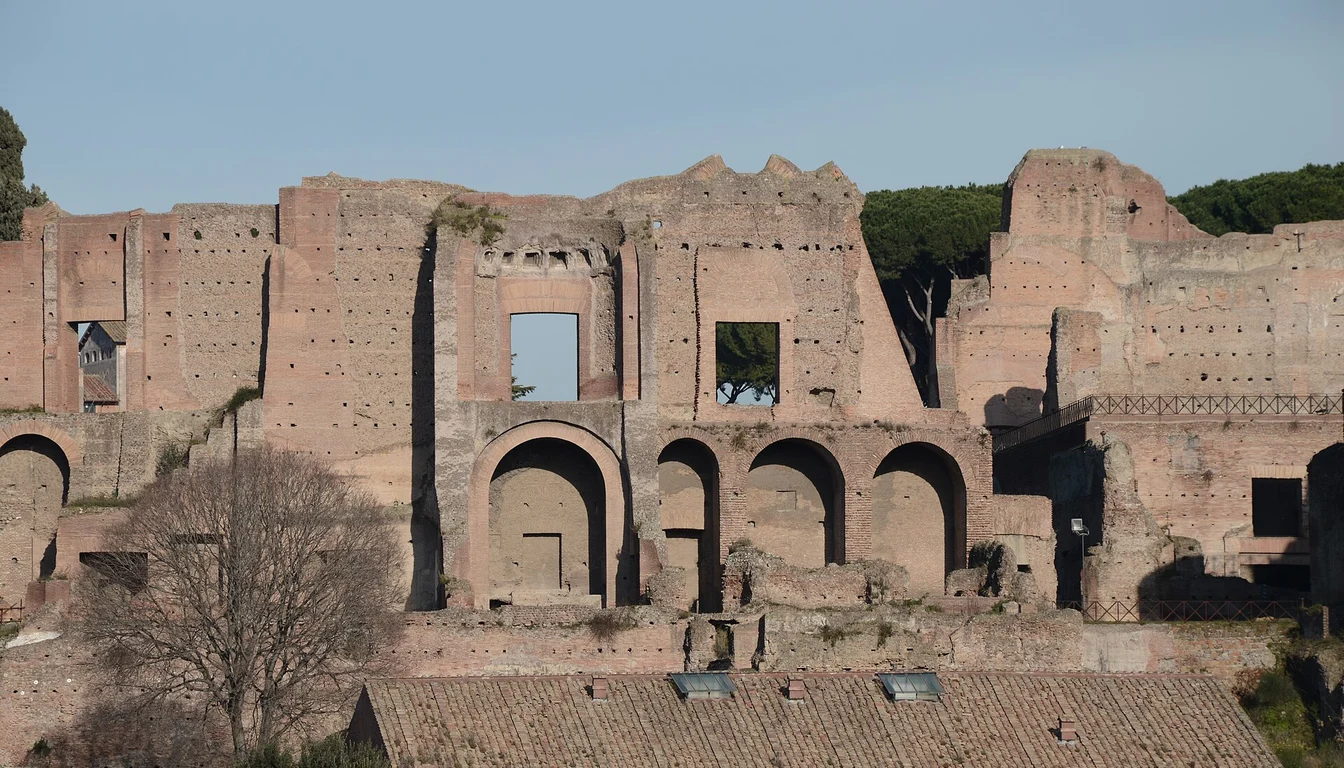
What is the Palatine in Rome? It is the hill above the Roman Forum where early settlement remains and later imperial palace ruins share one archaeological setting. The visit is more than a viewpoint. Give it time for the layout, the walk uphill and the relationship to the Forum below.
The Palatine is an archaeological hill with palace remains, gardens and views over the ancient city. Visit it as a substantial part of a Forum-and-Palatine day, not a quick extra after another long stop. Choose a ticket that covers the areas you want and confirm the open route. Wear shoes for uneven ground, allow for the climb and keep special interiors separate from general outdoor access.
Explain what is the Palatine in Rome
The hill preserves remains from Rome’s early settlement and later became a center of elite homes and imperial palaces. Those layers explain why you see several kinds of ruins rather than one single building. The park’s account links the hill’s name with the later word for a palace. Palatine visitor information, checked 14 October 2026.
The Forum and Palatine sit within a connected ancient-city landscape, but they offer different views of Roman life. The Forum focuses your attention on public and civic space. The hill adds the scale of elite living and imperial power.
Read the hill from that difference. A large open court, a surviving wall and a garden can all belong to different phases of use. You do not need to identify every ruler or room before the visit. Start with the shapes and use on-site information to build the picture.
Separate the Palatine from the Colosseum
The Colosseum is an amphitheater with its own timed-entry arrangements. The Palatine is a wider archaeological walk nearby. A ticket product may connect them, but the visitor experience is not the same.
If the Colosseum is your fixed booking, plan the hill and Forum around it carefully. Check the current validity and included areas of the chosen product. Do not assume that a time printed for the amphitheater is a timed entry for every other part of the park.
The hill deserves its own energy budget. A long Colosseum tour followed by a full Forum walk can leave little attention for it. You may get more from a shorter combined route than from trying to see every ruin in one afternoon.
Choose the access you actually want
Decide whether your main interest is the outdoor hill route, a museum or particular special interiors. Current ticket descriptions and opening information matter because not every area follows the same access. Check the exact product and date before booking.
General outdoor admission should not be treated as proof of entry to every house, room or special route. A named interior may need another access category or have a limited opening. Confirm before making it the reason for your visit.
- Choose the outdoor route for landscape and palace scale.
- Add a museum if you want objects and a more focused indoor pause.
- Choose special access only when the named spaces matter to you.
Compare the whole route, not just the price. A guided visit can help if the ruins are difficult to read, but a well-planned independent visit can work if you are happy using maps and signs. The right choice depends on how you like to learn.
Plan the hill before choosing the order
Look at the current entrances and open routes. The gate that suits a Forum-focused arrival may differ from the one that best serves the hill. Save your chosen entrance rather than only a broad park pin.
Then decide whether to start with the hill or the Forum. The hill-first choice can help when you want to use fresh legs for the climb. The Forum-first choice can work when your arrival or guide route begins there. Neither order is correct for every visitor.
Keep the exit in mind. A route that ends far from your next meal or transport stop can add walking after you think the visit has finished. Confirm which public exit you plan to use and check the street leg beyond it.
Understand what is the Palatine in Rome through its scale
Start with the large shapes. Notice how the hill changes the view over the Forum, then look at the size of the palace areas. Some ruins are easier to understand when you step back rather than standing directly against a wall.
Choose one palace area to read carefully. Use the on-site plan or interpretation to match the layout to what is left. Then compare it with the smaller details nearby. That sequence gives you a sense of how the spaces worked.
Do not expect reconstructed rooms everywhere. Much of the experience comes from remains and space. A guide can explain missing parts, but an explanation is not the same as seeing a fully preserved palace.
Give the visit a realistic time block
Allow several hours for a combined Forum-and-Palatine visit if both matter to you. This is a planning budget, not a published fixed visit duration. Entry, breaks and the route’s current access can change it.
For a shorter visit, choose one hill focus and one Forum focus. Make the rest optional. That is more useful than drawing a complete route and hoping the group can move fast enough to finish it.
- Keep a palace area as the main hill focus.
- Leave time for a permitted viewpoint and a rest.
- Put one extra museum or interior branch after the core route.
If you also have a timed Colosseum visit, keep the largest walking block clear of that deadline. A phone estimate for the gate-to-gate distance does not include the time you need to look at ruins along the way.
Use gardens and views as pauses
Later gardens form part of the hill’s layered history. They can also give the outdoor visit a different rhythm from standing among walls and open courts. Treat them as part of the setting rather than just a shortcut to a photograph.
A viewpoint can help you connect the hill with the Forum below. Stop in a permitted place and orient yourself. Seeing the relationship is often more useful than trying to identify every distant ruin from one angle.
Let the pause be a real break. Put the phone away for a moment, have water where allowed and check how the group feels. If the party is tired, use the view as the finish of the hill section rather than adding another loop.
Decide whether a guide would help
A guided visit suits someone who wants the remains interpreted without reading many signs. Ask about the named areas, time on the hill and the size of the group. A broad ancient Rome tour may spend most of its time in the amphitheater.
Check whether the guide’s route includes the spaces that interest you. “Forum and Palatine included” can still cover a brief passage rather than a detailed hill visit. Ask for the approximate focus rather than assuming the longest product has the most useful content.
An independent visit suits someone who likes choosing the pace. Save the park map and identify a few interests beforehand. You can then spend more time at one area and skip another without feeling that you have failed a prescribed route.
Check the museum and special interiors separately
The park’s Palatine information identifies a museum and preserved decorated spaces among the hill’s features. These can add detail to the broad outdoor view. Current access should still be checked for the date of your visit.
If you want an indoor break, confirm that the museum will be open and included. Do not use it as the only shade or rain plan without checking. A closed branch can leave you with a very different day.
For a particular house or room, read the ticket and route note closely. Limited capacity, a guided route or conservation work can affect access. A photograph in a general visitor guide is not proof that the space is open today.
Prepare for uneven ground and weather
The hill route includes slopes, stone surfaces and open areas. Wear shoes you can walk in for several hours. A formal outfit that works for dinner may be a poor choice for this part of the day.
Hot weather can make the long outdoor route tiring. Carry water, use permitted shade and shorten the plan before the group becomes exhausted. Do not save every pause until after the final ruin.
Rain can make paths or steps slippery. Follow any changed route and take your time. If an area closes for safety, use the open route rather than trying to cross a barrier to complete your saved map.
Make the visit work with children
Choose a simple question to carry through the visit, such as how people moved between a large court and smaller rooms. Keep explanations short enough that the child can connect them to what is visible.
A view over the Forum can help the whole ancient-city layout make sense. Use it as a pause rather than the final reward at the end of an overlong walk. Food and rest should also be planned before the group’s energy drops.
Do not expect children to follow a dense list of names and dates. The scale of the walls, the hill’s height and the difference between public and private space can be enough for a good visit. One remembered idea is better than a rushed lecture.
Check a suitable route for mobility needs
Ask about the specific entrance, open paths and assistance. The park identifies accessible areas and services, but that does not mean every route or interior suits every visitor. An easier approach may differ from the fastest walking route shown on a phone.
Discuss the route with anyone who has trouble on slopes or uneven ground. Give them a real option to shorten the visit. A hill-focused itinerary should not be booked for a group without checking those needs.
- Confirm the chosen gate and path.
- Ask about the spaces you most want to reach.
- Leave the most demanding branch optional.
If a required route is unsuitable, choose a different ancient Rome experience. A museum or exterior viewpoint can still give you context. There is no need to treat the longest park circuit as the only valid visit.
Keep the Forum pairing focused
The Forum below adds public squares, civic buildings and a different ancient-city story. Choose a few features rather than trying to read every label. The hill’s palace setting and the Forum’s public setting make a useful contrast.
Use a clear transition between them. Take a rest, find your position on the map and choose the next route. Drifting downhill while tired can leave you uncertain about where to finish.
If you started with the Forum, use the hill as a different scale of space rather than repeating the same style of stop. The visit feels stronger when each part has its own purpose. That also helps you decide what to omit if time runs short.
Plan what comes after the exit
Choose a meal or rest near the exit you will use. A long cross-city journey after several hours on foot can make an otherwise good visit end badly. Keep the next fixed reservation modest and well spaced.
The Capitoline area can offer an outside orientation stop if the group has energy, but another full museum is a separate commitment. A short public square view may be enough. Trastevere or another neighborhood can wait for a different part of the day if reaching it adds too much walking.
Before leaving the park, check that you still have the correct route and ticket if any later entry depends on it. Read the chosen product’s current re-entry conditions. Do not assume you can leave for a meal and come back whenever you like.
Avoid common Palatine mistakes
The largest mistake is treating the hill as a final ten-minute add-on. The next is assuming that a broad ticket label opens every interior. Both can be fixed when you choose the areas and time block first.
- Do not confuse the hill route with a timed Colosseum entry.
- Do not assume every special space is included and open.
- Do not plan a full park circuit without breaks.
- Do not leave the exit and meal route vague.
FAQ
What is the Palatine Hill?
The Palatine is an archaeological hill above the Roman Forum, with early settlement remains, later palace ruins and views across the ancient city. It is more than a lookout. Give the walk time for the layout and climb, then use the views to connect the hill’s remains with the Forum below.
Is it the same as the Roman Forum?
No. They are linked parts of an ancient-city visit, but the hill and the Forum’s public civic area have different settings. Plan them as connected walking blocks rather than one small stop. The Palatine adds slopes and high views, while the lower ruins need their own time and chosen route.
Does every Colosseum ticket include every Palatine area?
Do not assume every ticket covers every room or special site on the hill. Read the exact product and confirm general access and any additional spaces for your date. Current openings also matter. A long inclusion list describes access rights, not a promise that every area operates or a route you must complete.
How long should I allow?
Several hours is a loose allowance for a combined Forum-and-Palatine visit when both interest you. Count the climb and breaks in that plan, and check current access. If time or energy is limited, choose a smaller route. A remaining ticket window does not require you to walk every path in one day.
Should I use a guide?
A guide can help you read the ruins and connect the palace remains with the lower ancient city. An independent visit suits people who prefer their own pace and prepare a few interests. Choose by how you want to learn, and keep guide service separate from the access your ticket actually grants.
Is the route easy for everyone?
Not for every visitor. The route includes slopes and uneven ground, so check the particular path and assistance needed by your group. A suitable Colosseum route does not establish that the hill climb also works. Plan a shorter option and the way back rather than judging access only by the site’s general description.
Plan the next part of your visit
Verdict
The answer to what is the Palatine in Rome lies in its layered ruins and hill setting. This major archaeological visit deserves more than leftover time. Choose its outdoor and special-access interests, give the climb a proper block and keep the Forum pairing focused. A manageable route reveals more than a rushed attempt to see everything.