
Rome highlights and walks
Unique Things to Do in Rome: Choose a Different Day in 2026
Find a different Rome day through ancient roads, unusual views, modern districts and quieter neighborhood walks.
· Independent travel guidance
Open the guide sections28
- Choose unique things to do in Rome by interest
- What changed for alternative Rome days in 2026
- Follow a short stretch of the Appian Way
- See the aqueduct landscape as a separate outing
- Use the Caffarella area for a greener change
- Make the Aventine keyhole part of a two-view walk
- Look over the ancient city from the Palatine
- Read the Capitoline square as a civic space
- Take a complete circuit of the Four Rivers fountain
- See the Spanish Steps from two levels
- Use Castel Sant’Angelo as a river-view stop
- Visit Trastevere for a daytime church-and-lane loop
- Give the Jewish quarter a heritage focus
- Follow Testaccio’s food and working-history thread
- Look at Prati’s street and façade scale
- Give EUR a modern-architecture day
- Pause by EUR’s lake instead of chasing another building
- See Roman art beside power-plant machines
- Choose one guided catacomb, not a vague underground package
- Use a meal to compare a few Roman dishes
- Choose unique things to do in Rome by time and effort
- Check what a guided product actually covers
- Use three clear alternative-day shapes
- Keep the day practical
- Avoid novelty claims that do not help
- FAQ
- Plan the next part of your visit
- Verdict
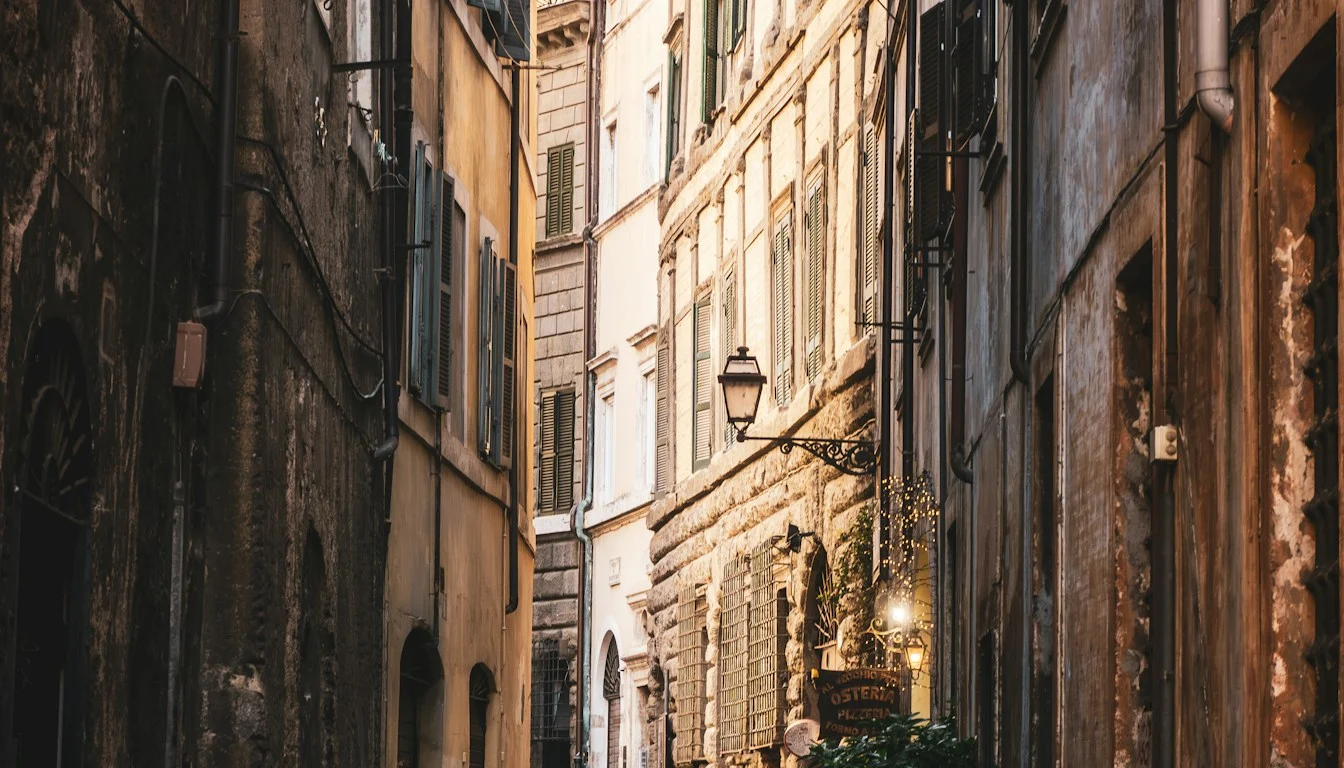
Unique things to do in Rome need not be secret places. A different way of looking, a modern district or a short ancient-road walk can change the feel of the trip. Choose one experience that fits your interests, then give it a useful route. The best alternative day has a clear purpose rather than a longer list of obscure pins.
Choose ancient road or aqueduct scenery for an outdoor change, EUR for modern architecture, a power-plant museum for a striking indoor contrast, or a focused neighborhood route for daily Rome. Small details at familiar sights also work: a fountain circuit, a framed view or a quiet church pause. Pick one main experience and one nearby pairing, with current entry and return checks.
Choose unique things to do in Rome by interest
Start with what you want to feel or learn. An outdoor archaeological walk, an unusual museum setting and a lively evening are different kinds of visits. You can make a strong choice without trying to include all of them.
The word “unique” can invite bad promises. A public place may be busy, well known or partly closed. It can still offer a different experience from your usual sightseeing route. Look for the detail or activity that makes the choice worthwhile to you.
- Choose landscape for space and ancient structures.
- Choose architecture for a deliberate change of era.
- Choose a focused local route for food or daily street life.
Keep the journey in view. An interesting stop across the city needs enough time to enjoy it. A smaller experience near your existing plans can be more rewarding than a long detour you rush through.
What changed for alternative Rome days in 2026
Check current museum eligibility before using an older free-attraction list. Municipal pricing changed from 1 February 2026, with different rules for residents and tourists. A once-free indoor stop may now need visitor admission. Municipal pricing update, checked 14 October 2026.
Transport notes also need a current check. The live tram page records restoration of line 8 across its route on 21 September 2026, with line 3 operating between Trastevere station and Porta Maggiore and replacement buses elsewhere. Tram service information.
Use the present route and entry rules for your date. A distinctive day still needs the ordinary journey and ticket details to work. Leave room for those checks before fixing a meal or another admission.
Follow a short stretch of the Appian Way
Choose the old road for a tactile ancient-city experience. Large paving stones, roadside remains and the open setting give you a different perspective from a museum room. The regional park identifies the Appia route as one of several distinct visitor areas. Park visitor areas.
Make the walk short enough to finish comfortably. Choose a start and turn-back point before travel. A long road is not one final stop, and a generic map pin can put you far from the section you wanted.
The park’s route notes distinguish ordinary traffic from restricted-traffic stretches. It also warns that a private catacomb-road shortcut depends on the site’s opening. Check the chosen approach rather than assuming a car-free continuous route. Appia route notes.
This suits someone who enjoys walking slowly and noticing surfaces. It is a weaker choice for a party with sore feet or large bags. Shoes with grip and a confirmed return point matter more than covering a long distance. One good road section can carry the visit.
See the aqueduct landscape as a separate outing
The aqueduct area belongs to the broader Appia park system, but it is a distinct visit area. Do not treat it as a quick final stop on any Appian Way walk. Use the park’s own area information to choose the approach and exit.
The appeal is the relationship between large ancient structures and open green space. Step back for the whole shape before moving closer to details. A wide view can be more useful than a photograph of one fragment with no setting.
Choose a modest loop rather than trying to follow every structure. Open ground can feel exposed in heat or bad weather. Save a shorter version of the visit if the conditions make the larger plan uncomfortable.
This is useful when you want landscape and a different ancient-Rome scale. Pair it with a rest rather than a second distant park. Check the return service and aim to finish with daylight. A beautiful open setting does not supply an unlimited walking or transport day.
Use the Caffarella area for a greener change
The regional park lists Caffarella as another distinct area within its wider protected landscape. It offers a different kind of outdoor choice from a central square or a long museum route. Choose it for a green walking block, with the exact path checked before you leave.
Begin with a reachable public entrance and a return point. Do not assume that the area’s size makes every drawn shortcut useful. A modest loop can leave more time for noticing the setting and taking a proper pause.
This suits a party that wants a slower outdoor interval between major attractions. It is less useful as a last-minute detour when a fixed booking is already close. Keep the visit separate from a tightly timed ancient-site tour.
For a mobility need, check the specific surface and access. A park label does not guarantee a smooth path. If rain or heat changes the route’s comfort, shorten it or choose an indoor alternative. The quieter pace is the benefit; a large distance is not the goal.
Make the Aventine keyhole part of a two-view walk
The keyhole offers a framed view of the dome of St Peter’s. It is a small visual surprise rather than a wide lookout. The city’s Aventine guide describes the door view and the hill’s setting. Aventine visitor information.
Use it as one stop in a hill walk. The Orange Garden provides a broader skyline view nearby, so the two experiences give each other context. Choose the garden first if a long keyhole queue would take up your whole free block.
Keep a look brief when others are waiting. Let your eye adjust and enjoy the frame before trying a phone photograph. A dark opening and bright distance can make the image harder than the view itself.
This suits someone who enjoys a small detail and can manage the climb. It is less useful as a long cross-city trip for a single image. A hill loop with an open-view fallback makes it a more complete plan.
Look over the ancient city from the Palatine
The Palatine is a major attraction, but you can give it a different focus from a checklist of ruins. Choose the relationship between the hill, palace spaces and Forum below as the theme. The park’s guide explains the hill’s early and imperial layers. Palatine information.
Read the scale first. Notice the large spaces and the position above the public civic area. Then choose one palace section to understand more closely. This can make an extensive archaeological site feel coherent without learning every name.
Check the ticket and open route before making a particular viewpoint or interior the goal. General outdoor access is not proof that every special area is included. Keep a museum or interior branch separate from the core hill walk.
This suits a visitor who wants to spend more attention at a familiar ancient site. Give the climb a proper time block and leave a rest before continuing. A short focused route can reveal more than a hurried full circuit.
Read the Capitoline square as a civic space
The Capitoline setting offers another way to see central Rome. Look at the square’s shape and the buildings that frame it. The public space and the surrounding museum visit are different choices. Capitoline square information.
Start with the whole view rather than one statue detail. Notice how the approach and paving organize the space. Then choose a permitted edge or viewpoint without blocking doors or working civic access.
This can be a short outdoor pause after an ancient-city visit. It can also lead into a museum if you have checked admission and allowed enough time. Do not treat the indoor route as something you can absorb in a few spare minutes.
Keep current works around Piazza Venezia in the approach plan. Use marked crossings and the open public path. The hill stop is more enjoyable when you arrive calmly than when you hurry through a detour to preserve an overfull schedule.
Take a complete circuit of the Four Rivers fountain
Piazza Navona is famous, but many people look at its central fountain from only one side. A complete circuit lets the river figures and their surrounding details change as you move. That is a different activity from a quick front-on photograph.
The city’s guide explains the four river and continent figures beneath the obelisk. Read one part closely, then step back for the larger shape. You can give the visit a simple aim, such as finding an animal or comparing two sides. Fountain information.
Keep the path open and follow current barriers. A restoration closure may remove one angle without making the rest of the square useless. Do not lean into the basin or climb the work to recover a photograph.
This suits a short central-city gap, especially with children who enjoy a clear thing to find. Give it a little attention, then let the wider square become the rest of the stop. It does not need an extra booking.
See the Spanish Steps from two levels
Use the Spanish Steps as a study in how a public space connects different heights. Look at the whole staircase from the lower square, then decide whether to climb. The city visitor information describes the shaped link to the church above. Spanish Steps information.
The different widths and turns are easier to notice when you pause instead of treating the steps as a race to the top. Take a wide view first. If the party has tired legs, the lower view can be the complete visit.
Choose the climb when it supports the onward route. If you go up only to come straight down, make sure that effort is something you want. A church visit above also needs its own current access check.
This is a useful familiar-place alternative when you like urban form. Follow posted rules, keep the steps clear and use a proper rest place elsewhere. Seasonal flowers can be a bonus, but they are not a year-round reason to come.
Use Castel Sant’Angelo as a river-view stop
The fortress has an indoor museum route, but the bridge and river setting can make a different visit. Look at the building’s mass from outside and choose a view with room for your party to stand safely. The city guide describes its changing uses from mausoleum to fortress and museum. Castle information.
This exterior choice fits a day that already has a long museum. It also works if the group wants a flexible walk rather than another ticket. Take time for the relationship between the bridge and building, then choose one onward direction.
Do not treat the exterior as a failed museum visit. It is a complete choice when the river scene is what interests you. If the interior becomes a priority, give it a separate time block and check the route.
Keep the bridge clear while you take pictures. Meet at one agreed side point if the group spreads out. A short river pause is more rewarding when nobody has to keep searching for the next person.
Visit Trastevere for a daytime church-and-lane loop
Trastevere can be an evening scene, but a daytime route offers a different focus. Start at the river and use the main basilica square as the anchor. Choose one indoor art or church stop rather than trying to enter every building. Trastevere district guide.
Keep worship access flexible. A service or closed door is a reason to enjoy the square and return later. It does not need to spoil the route. A short lane loop from the square can carry the rest of the visit.
This suits a visitor who wants the neighborhood form and a quieter kind of attention. It does not guarantee empty lanes. Ordinary activity and other visitors remain part of the setting.
Use the station as a separate transport point if you need it. It is south of the old quarter’s main visitor lanes. Save the actual sightseeing landmark as your final stop, then check the onward street leg from the arrival stop.
Give the Jewish quarter a heritage focus
Choose the Jewish quarter for a respectful route that joins ancient remains with community history. The Portico d’Ottavia gives you a clear first landmark. The district’s own heritage information also makes the river and island link clear. Historic quarter route.
Add a museum or synagogue visit only after checking current entry. Public street access does not establish indoor access. If the heritage visit is fixed, let the lane and river walk stay flexible around it.
This suits someone who wants more than a food stop. Pause at a sign or memorial, and keep the party’s tone appropriate. A place of remembrance is not a photo prop or a waiting area for loud conversation.
Choose one onward branch across the river or toward the ancient-city area. The quarter can make a compact visit, but compact does not mean it should be rushed. One thoughtful stop is the point of the route.
Follow Testaccio’s food and working-history thread
Testaccio offers a different story from a day of grand monuments. Choose a market or cultural stop, then notice how the district’s daily streets relate to its earlier supply and working life. The city guide connects its character with the ancient amphora mound and later layers. Testaccio guide.
Make the main stop’s current opening the first check. A market meal or an exhibition does not necessarily work at the same time as a late street walk. Choose the function you want rather than expecting the district to supply it at every hour.
This suits a slower visit with time to sit. Choose food by the actual dish and the kind of service your party needs. A long queue is not the only clue, and a neighborhood label does not answer ingredient questions.
Keep the amphora mound’s access separate from the public route. Do not climb a heritage site at will. The street setting can tell part of the story while a permitted guided visit, when available, gives a different level of detail.
Look at Prati’s street and façade scale
Choose Prati when you want to compare broad streets and later city buildings with the old center’s tight lanes. The city district guide describes its urban character and the mix of building styles. Prati information.
Pick a short stretch and look carefully. Notice the size of blocks, the windows and the details that sit above everyday shops. You do not need to identify every architect to see the change in form.
This suits a flexible block near existing plans. A meal and a riverward route can make the finish useful. It is less helpful as a vague extra between two long attractions that leave no time to stop.
Working buildings are not public interiors just because they are grand. Read signs and keep doorways clear. A façade and square view can be enough. Choose one bridge or return stop before the walk grows longer than you intended.
Give EUR a modern-architecture day
EUR brings a deliberate change of era. The planned district’s large spaces and monumental forms differ from both the ancient ruins and the old center. Its history belongs to the planned world fair and the Fascist period, so keep that context with the view. EUR district guide.
Choose one building as the main goal. The Square Colosseum makes a clear exterior anchor, while another stop can be a museum or a lake walk. Do not build the day around routine entry to a working building without checking it.
This suits a repeat visitor or someone with a strong architecture interest. The travel and distance between sights need their own block. A last-minute spare hour between central bookings is usually the wrong setting for it.
The district has wide roads, so use a compact public route with marked crossings. A line across the map can hide extra walking. Save the return point and leave the last optional stop easy to omit.
Pause by EUR’s lake instead of chasing another building
The lake and green setting offer a softer side of the district. They can be a useful second part after an architecture or museum stop. Use the city’s EUR information to place the lake within the wider visit rather than treating it as another distant pin.
Choose a short section that gives you room to slow down. An outdoor pause can make the day feel better without adding another paid attraction. Keep seasonal garden photographs separate from what you can expect at your travel date.
This suits a mixed-interest group. One person may care deeply about buildings while another wants a calmer open setting. A lake pause gives both needs a place without forcing another long guided stop.
Check the path for your party’s needs. Weather, curbs and the final transport leg still matter. If the day is hot, keep the loop modest and finish at a chosen return point. The aim is a pause, not another distance target.
See Roman art beside power-plant machines
Centrale Montemartini offers a striking indoor contrast. Roman sculptures and mosaics stand in a former power plant with surviving machinery. The museum’s own introduction describes the pairing of ancient collections and industrial history. Museum introduction, checked 14 October 2026.
Choose this when the setting interests you as much as the objects. Look at how the scale of a machine changes the view of a sculpture beside it. The point is not simply that the room looks unusual, but that two kinds of city history share the space.
Check current admission and the open collection route before travelling. A temporary exhibition or special event can have separate conditions. Do not rely on an old free-entry claim for a paid museum visit.
This suits an indoor alternative to a long outdoor afternoon. Give it enough time to notice both the objects and the industrial room. Keep the next stop modest; a different museum setting still involves standing and looking for a substantial part of the visit.
Choose one guided catacomb, not a vague underground package
A catacomb visit offers an underground burial setting with a guided route. It is different from the amphitheater underground or a general church excavation. Choose the exact site and read its access before buying a broad “underground Rome” product.
At Saint Callixtus, the published rules require authorized guided access and prohibit independent wandering. They also describe route barriers for people with walking difficulties and prohibit photographs underground. Catacomb visitor rules.
This suits someone comfortable with the steps and enclosed space who wants the specific history. It is a weaker choice for someone who mainly wants photographs or is anxious about the route. An above-ground alternative can be the better day.
Confirm the language and whether transfer is included. A short guided duration does not include the entire journey, waiting and return. Pair the stop with a modest nearby walk only when the schedule and energy leave room for it.
Use a meal to compare a few Roman dishes
A focused meal can be a different activity from simply eating between sights. Choose two dishes that interest your party and ask what is in the actual version being served. The city’s carbonara recipe, for example, lists egg, cheese and guanciale as core parts. Roman carbonara.
Keep the meal suited to appetite and dietary needs. A traditional title is not a guarantee that every kitchen prepares the same recipe. Ask before ordering, especially when an ingredient or cross-contact matters.
This suits a district visit with room to sit and talk. It does not need a business ranking or a long queue. A clear menu and helpful answers are more useful than a reputation that fails to fit the group.
Choose the meal time before building a long walk around it. Confirm service and a table when needed. Then keep the route after the meal gentle. The experience works through attention to the food, not the number of dishes or stops you manage to buy.
Choose unique things to do in Rome by time and effort
Now reduce the options to one main activity. A short central gap can fit a fountain circuit or a public square view. A free half-day can fit an outdoor route or a district visit. A full flexible block can justify a longer journey to EUR or a museum you specifically want.
Match effort as well as time. A hill, ancient paving and a standing museum route can each tire the group in different ways. Do not assume that a quieter-looking place is physically easier than a famous attraction.
- For a short gap, choose one detail near the existing route.
- For a half-day, choose one district or landscape area.
- For a larger block, choose one main experience with a nearby pairing.
Keep the second stop optional. A strong main activity and a pleasant finish can make the day distinctive without filling every hour. That is especially useful after a tiring morning or when weather changes the outdoor plan.
Check what a guided product actually covers
A guide can help with interpretation, a specific access route or a difficult transfer. Choose one when those are the reasons you need it. A polished itinerary title is not enough to establish every named stop or included ticket.
Read the meeting and ending areas. Check the language and time spent at the main site too. A tour crossing several districts may be an overview rather than a deep visit. A private vehicle does not necessarily mean exclusive access at the attraction.
Confirm cancellation terms before paying. A weather preference or a late arrival may not create a refund. Choose the product that fits your actual route instead of assuming you can rearrange the fixed parts after booking.
Use three clear alternative-day shapes
An outdoor day can put one Appia park area first and keep the return fixed. Choose the road, aqueducts or Caffarella as the main area rather than trying to move between all three. Take a proper rest afterward and leave another site optional. This shape suits someone who wants landscape more than a long indoor route.
An architecture day can put EUR first, with one building and a short lake or museum pairing. Check the indoor stop before travel. If it is unavailable, decide whether the exterior still justifies the journey. Finish at a chosen transport point instead of adding another building on the way out. This gives the modern district enough space to feel different.
A detail-focused central day can add a fountain circuit or civic-square look around the major attraction you already booked. Choose the nearby detail, not the most unusual one across the city. A simple meal and short public walk can finish the day. This shape works when you want a different perspective without another long journey or admission.
These are planning shapes, not timed tours. Use the one that matches the day you have, then adjust it for weather and the party’s energy. A clear main experience with a nearby finish makes a stronger visit than trying to prove how much you can fit.
Keep the day practical
Save the outward and return route before leaving. A distinctive attraction still needs ordinary transport to work. Use the exact public entrance or main landmark rather than a broad district pin.
Carry a small day bag and the water you need. Large luggage can make old paving and indoor entry much harder. Give the meal and toilet plan a place in the day instead of expecting every unusual stop to supply facilities.
If your party has a mobility need, check the chosen route and entrance. A green park, wide district or public square label does not answer every surface and step question. Keep a shorter version that still offers the main experience.
Avoid novelty claims that do not help
Do not choose a place only because someone called it hidden. A well-known monument can reveal a new detail, and a less famous stop can still be busy or unsuitable. The useful question is whether it fits your interests and day.
- Do not expect guaranteed empty streets or private views.
- Do not enter closed or private areas to recover a photograph.
- Do not add a long transfer for an optional detail.
- Do not book a broad package without checking the named experience.
Leave ordinary time between unusual choices. A rest, a meal and a clear return can make the day feel much better. A list that is smaller but achievable is a stronger plan than a catalogue you race through.
FAQ
What is a good alternative to another central museum?
Choose an Appia park area if you want landscape, EUR if modern buildings interest you, or a focused neighborhood route for street life and food. Each needs a different travel and effort budget. Check weather, the main stop’s current access and the return before deciding which one suits the day.
Can familiar attractions still offer a different experience?
Yes. A complete fountain circuit or a careful look at a square’s shape can change what you notice at a famous place. Give the visit one clear theme rather than repeating a photo stop. That can be a useful option when you want something different without adding a long journey.
Are these places guaranteed to be quiet?
No. Public places can be busy, and events or access changes may alter the scene. A less famous name does not promise an empty route. Choose the activity because it interests you, keep the plan flexible and enjoy the permitted visit rather than expecting a private version of an online photograph.
Should I book an underground visit?
Book the exact site if its subject and physical route suit you. Check the steps and language, then confirm the guide access and any transfer. A catacomb is different from the Colosseum underground. If enclosed spaces or stairs are a concern, choose an above-ground alternative that gives the day a clear purpose.
How many alternative stops should I plan?
Choose one main experience and one nearby optional pairing. Give the main stop enough room for the journey, entry and a real look around. Let the pairing shrink or disappear if the first visit runs longer. A small plan you enjoy is better than a catalogue you hurry through to meet a deadline.
What should I check first?
Check current entry for the main stop first, then the outward journey and the effort involved. Save the return route before you set off. Add the meal or rest the party needs. A good photograph can suggest an interesting place, but it cannot establish that the visit works for your date and needs.
Plan the next part of your visit
Verdict
Unique things to do in Rome are most rewarding when they change how you spend the day. Choose a landscape, building, museum setting or focused local route that interests you. Keep the main experience clear, the pairing nearby and the return practical. A different perspective matters more than a longer list.